Choosing the right door for your home or business matters a lot. A good door adds safety, helps with energy savings, and improves how your space looks. Choosing between metal and wood doors means thinking about style, use, and long-term value.
Metal doors are strong and last through heavy use. Wood doors offer a warm, classic style that many people love. Each material works better in certain places. This guide will help you understand their differences and choose the one that fits your needs best.
Hollow Metal Doors vs. Wood Doors is a key choice when planning for entryways. We’ll look at how they compare in cost, durability, and appearance. With this simple guide, you’ll be ready to make a smart choice that fits your space.
Hollow Metal vs. Wood Doors: Which One Should You Pick?
Doors protect your home or building from weather, noise, and unwanted entry. They also help improve how your property looks from the outside. Two common types are metal and wood, each with features that can meet different needs and preferences.
Metal doors, especially hollow types, offer strong protection and are built to last. Wood doors, on the other hand, give a classic look with warm, natural charm. If you’re trying to decide between them, it’s important to understand how they compare in strength, style, and long-term value.
Durability: Which Garage Door Lasts Longer?
When choosing a door that lasts, it’s smart to compare how each material holds up over time. Here’s a clear breakdown:
Metal Doors: Built to Withstand the Elements
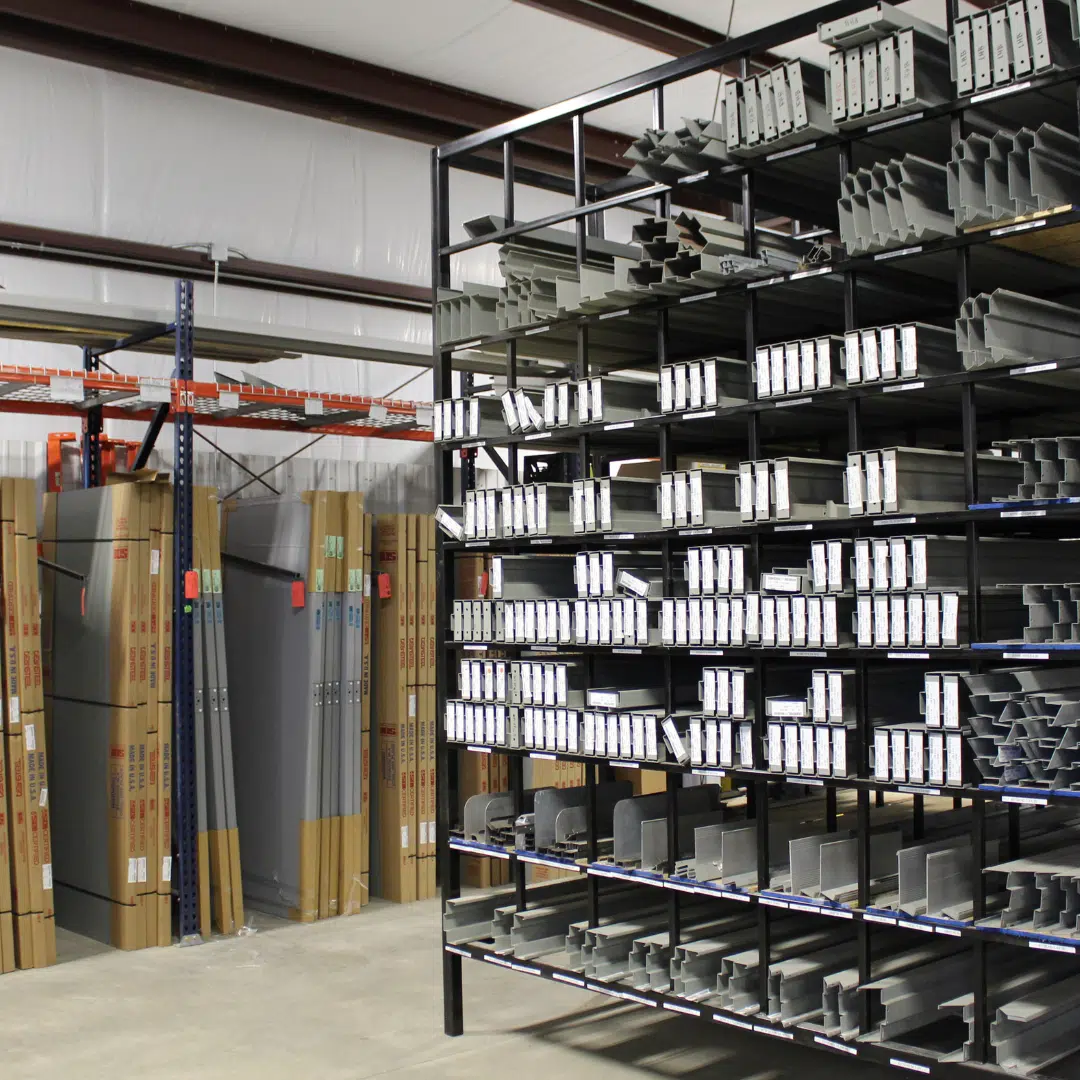
Metal doors, especially hollow metal ones, are very strong and last a long time. Made from steel or aluminum, they resist warping, cracking, and rotting. They work well in harsh weather, making them a smart choice for outdoor use.
While durable, metal doors can dent if hit hard and might rust without proper care. To avoid damage, inspect the surface often and repaint as needed. Keeping the coating intact helps protect against rust, keeping the door both functional and visually appealing.
Wood Doors: Classic but High-Maintenance
Wood doors offer natural beauty and warmth, but they need regular care. Moisture can cause swelling or warping, and sun exposure may fade the finish. Without treatment, termites and other insects can damage the wood, affecting strength and appearance.
Premium wood doors, like those made from mahogany or oak, can last for decades if properly sealed and refinished. With the right care, wood doors stay strong and look better over time, gaining a rich patina that adds timeless style to any space.
Cost: Which Garage Door Fits Your Budget?
Comparing metal and wood doors helps you understand cost differences upfront and long-term, making it easier to choose wisely.
Upfront Costs
Long-Term Costs
While metal doors are cheaper initially, wood doors may cost more over time due to refinishing, staining, and potential repairs. Metal doors, if scratched or dented, may need repainting but rarely require major structural fixes.
Aesthetics: Which Garage Door Looks Better?
Choosing a door that looks great and fits your space can boost curb appeal and add style to your home or building.
Metal Doors: Modern and Industrial
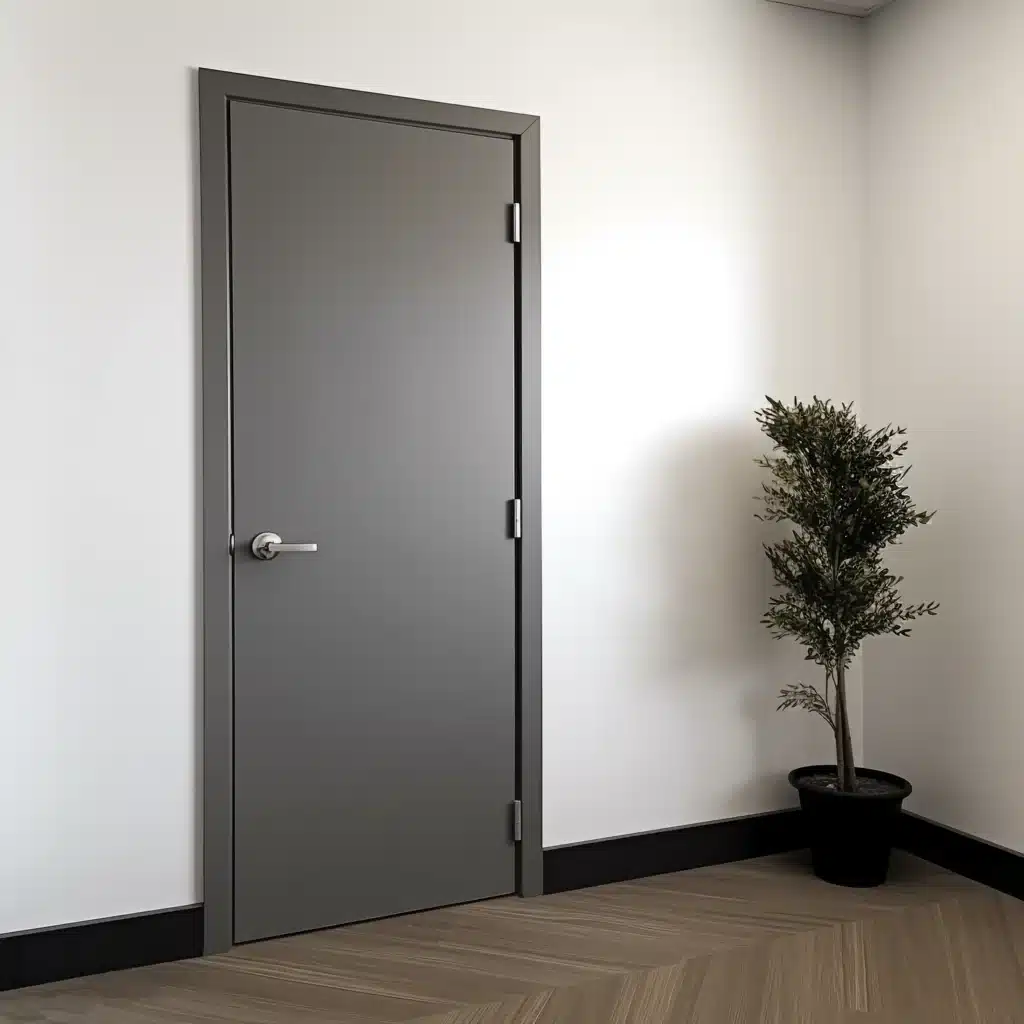
Metal doors offer a sleek, contemporary look, often seen in modern and industrial-style buildings. They can be painted in various colors and even mimic wood grain finishes. However, they lack the natural warmth and texture of real wood.
Wood Doors: Timeless Elegance
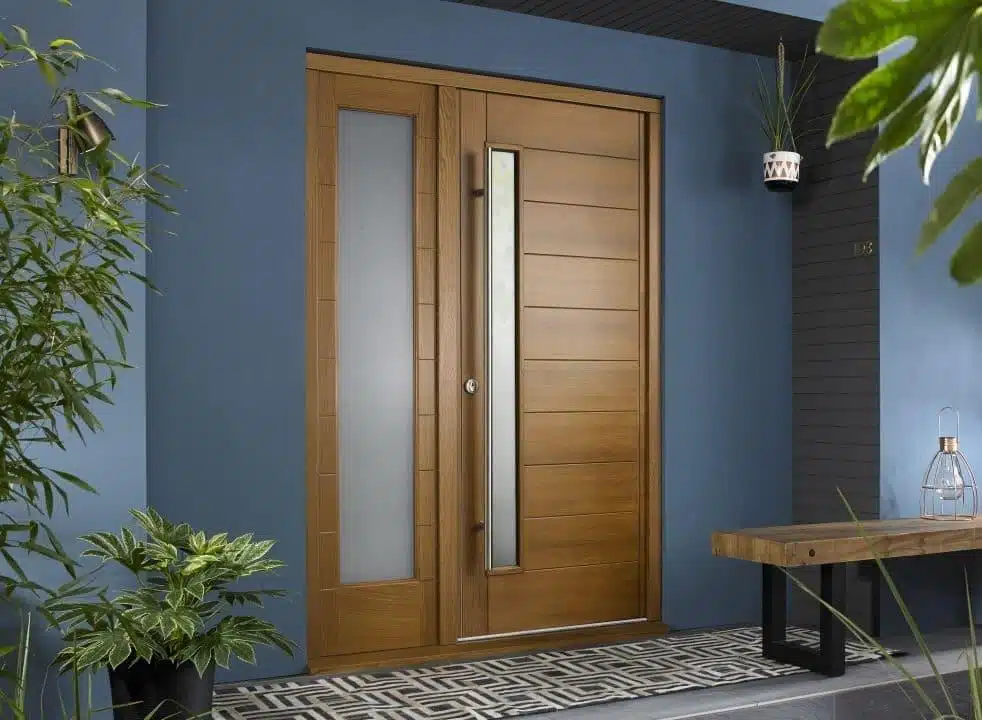
Wood doors are unmatched in beauty, offering rich grains and a classic appeal. They can be stained or painted to match any architectural style, from rustic to traditional. Many homeowners prefer wood for its ability to enhance a home’s character.
Which Is Better for Insulation: Wood or Hollow Metal Doors?
Metal doors can easily allow outside heat or cold to pass through, which may affect indoor comfort and increase energy bills. To improve insulation, many hollow metal doors now use foam-filled cores that help block temperature changes effectively, replacing wood doors.
Wood doors do a great job of keeping inside air from escaping. Their natural density helps maintain steady indoor temperatures year-round. Solid wood doors are especially efficient at keeping homes warm in winter and cool in summer, boosting energy savings over time.
Security: Which Garage Door Offers Better Protection?
Metal doors are naturally strong, making them harder to break or damage. Many steel doors include reinforced frames, which add even more protection and security for homes, offices, or commercial buildings.
Wood doors, especially those made from solid hardwood, can be strong and long-lasting. While they are easier to break than metal, using strong locks and deadbolts helps improve safety and security effectively.
Soundproofing: Which Garage Door Quiets Outside Noise?
Wood doors are thick and solid, which helps stop outside noise like traffic or loud neighbors. This natural sound-blocking makes them an excellent choice for homes, offices, or quiet rooms where peace and less noise are very important.
Metal doors don’t block sound as well on their own, but many come with insulated layers inside. These layers help reduce noise by soaking up sound. With this added insulation, metal doors can still work well in homes or buildings needing quiet spaces.
Eco-Friendly Doors: Hollow Metal or Wood?
Wood is a natural material that can grow back, especially when sourced from responsibly managed forests. However, cutting down too many trees and using strong chemicals on wood can harm both the planet and your health.
Metal doors are often made from old metal that’s been reused, which is good for the earth. They can also be recycled again later. But making metal doors uses a lot of energy, which can harm the environment during the building process.
Best Uses for Metal and Wood Doors
Metal and wood doors each serve unique purposes. Knowing their best uses can help you choose the right one for your home or business.
When to Choose Metal Doors:
- High-security needs (e.g., commercial buildings, front doors)
- Harsh weather conditions
- Modern or industrial design preferences
- Low-maintenance requirements
When to Choose Wood Doors:
- Traditional or rustic home styles
- High-end residential projects
- Areas where aesthetics are a priority
- Moderate climates with controlled humidity
Conclusion
Choosing the right door is easier when you know what to look for. Metal doors offer strength and security, while wood doors have a warm, classic appearance. This guide helps you choose the option that best fits your space and needs.
Doorways offers strong, good-looking doors for homes and businesses. We help you choose between styles that work well and last long. Our team makes it simple to find what’s right for your building or project.
Whether you’re thinking about Hollow Metal Doors vs. Wood Doors, we’re ready to help. You’ll get clear answers, excellent service, and trusted results. Contact us for free estimates and get started today.
Frequently Asked Questions
Are Metal or Wood Doors Better?
Metal doors are better for durability, fire resistance, and security, especially in commercial settings. Wood doors offer a classic look and are ideal for residential interiors. The better choice depends on location, style, budget, and performance needs for the space.
Are Hollow Metal Doors Cheaper Than Wood?
Yes, hollow metal doors are usually cheaper than solid wood doors. They’re more cost-effective for high-traffic or industrial areas. However, some premium hollow metal models may cost more than basic wood doors, especially those with fire-rated or insulated cores.
What Are the Disadvantages of Metal Doors?
Metal doors can dent or rust over time if not properly maintained. They may also be heavier than other options, making installation harder. In very cold climates, poor insulation in cheaper metal doors may lead to heat loss or condensation buildup.
When to Use Hollow Metal Doors?
Use hollow metal doors when you need security, fire resistance, and strength. They’re perfect for commercial buildings, warehouses, schools, hospitals, and entry points with high traffic. Their long-lasting structure makes them ideal for both interior and exterior use.
What Are the Pros and Cons of Hollow Doors?
Pros: Hollow doors are lightweight, budget-friendly, and easy to install. They reduce sound slightly and work well indoors.
Cons: They lack insulation, feel less solid, and don’t block noise well. Hollow doors are not ideal for high-security or exterior use.
End Note
Choosing the best door starts with knowing the facts about Hollow Metal Doors vs. Wood Doors. Doorways offers strong and reliable metal doors made for safety and extended use. Visit our homepage or view our hollow metal doors to learn more.
For easy tips and helpful guides, visit our blog. You’ll find simple articles that explain the benefits of different door types. Follow us on Facebook for updates, project photos, and more ideas to help your space.
If you’re ready to begin your project, visit our contact page to request a free quote or speak with our helpful team. We’ll guide you through every step to choose a door that fits your space, works well, and lasts long.